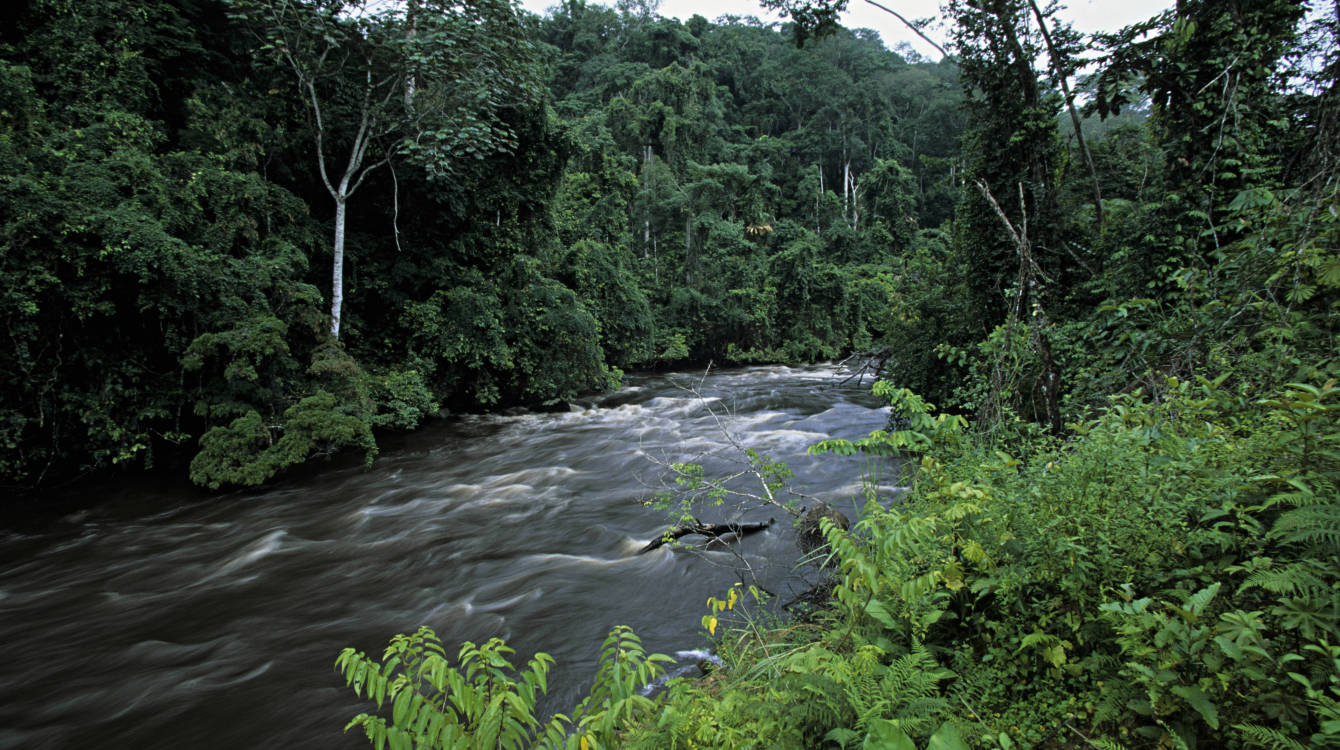
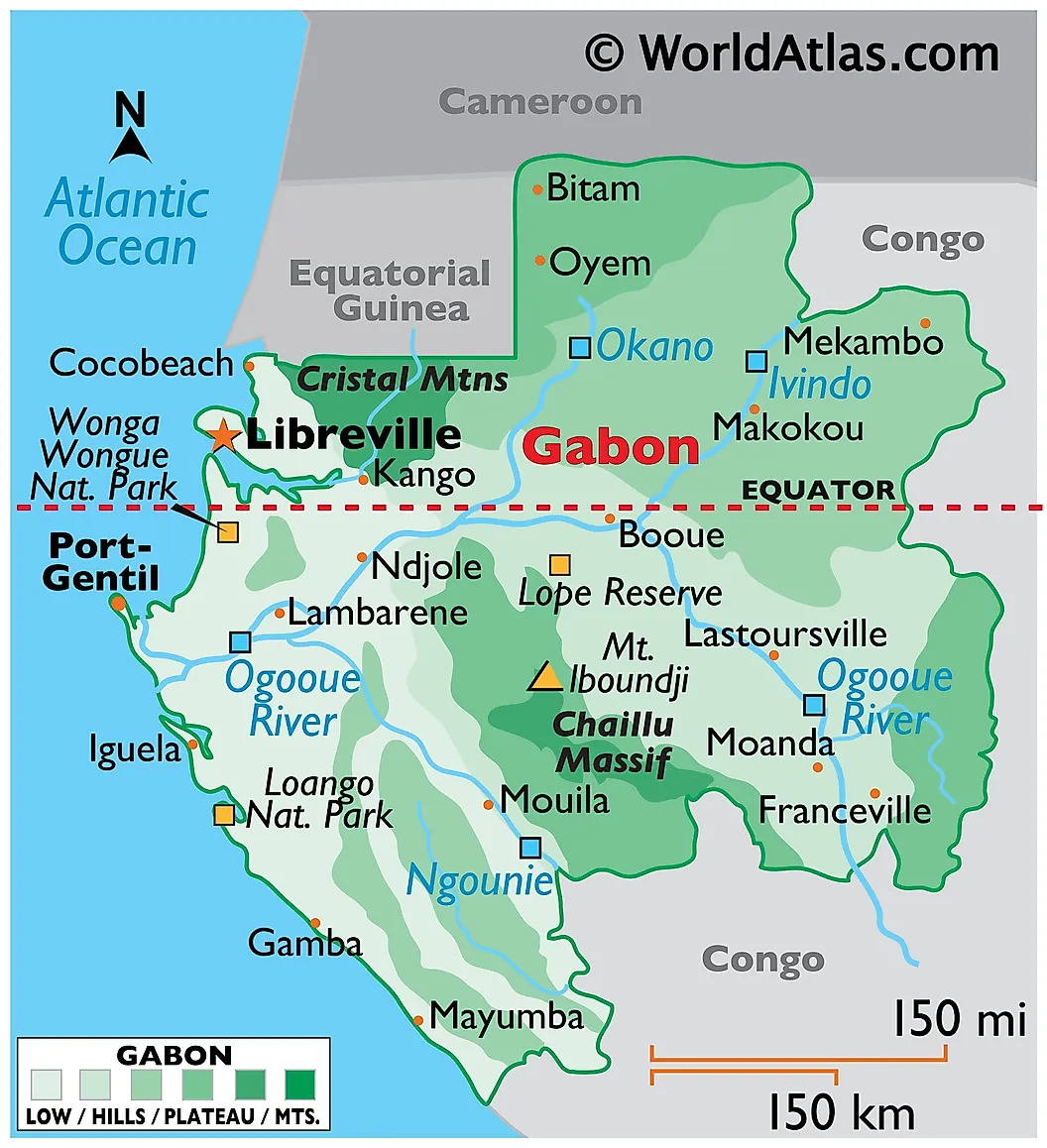
 Gabon
Climate:
Gabon is a country in the center-west part of Africa.
It is hot and a bit humid, so watch out for a bit of sweating. But not to be worried, this is not much!
History:
In the early times, Pygmy hunter-gatherers were first to step foot in Gabon, followed by tribes that spoke
Bantu, or Bantu speaking groups (Like the Fang and the Myene), who immigrated over a long time.
Portuguese Settlers came to Gabon in 1472, followed by Dutch, French, and British traders.
In the 1700s, the Orungu tribe gained money from regional and coastal trade, which later transferred into the transatlantic slave trade.
In 1849, slaves that escaped from the ships created the now-capital, Libreville. In the 1900s, France gained control over the land, and added Gabon to the French Equatorial Africa, a group of colonized French countries near the equator in Africa.
In 1960, Gabon gained independence from France, with Léon M’ba as its first president.
When Gabon discovered oil in the 1970s, Gabon gained wealth, though still concentrated by the government.
In 2023, military officers overthrew the president, ending more than 50 years with the Bongo rule (Presidents after Léon M’ba).
Visiting Information:
Now there are a few national parks in Gabon, and you can visit Tsam-Tsam, Lopé National Park, the Crystal Mountains, and much more. Be ready for lots of animals, lots of great memories with animals, and just overall, a lot of animals! The ideal time to visit Gabon is from June to September, and you must have a visa and a Yellow Fever vaccination certificate, and also there are malaria mosquitoes, so visitors are advised to bring medicine. Flights go from Paris to Libreville, on Air France or Afrijet.
Gabon information:
Capital: Libreville
Population: ~2.5 million people
Languages: French
Currency: Central African franc (CFA)
Sources: Google and Visit Gabon